
The Failed Comfort of a Why
Night TrainThis theme-focused thread traces the desire for motive in suicide and the book's resistance to explanations that make suffering seem orderly.
increasing Bearing strength in each event
 decreasing
Bearing strength in each eventdecreasingThe Father's Question
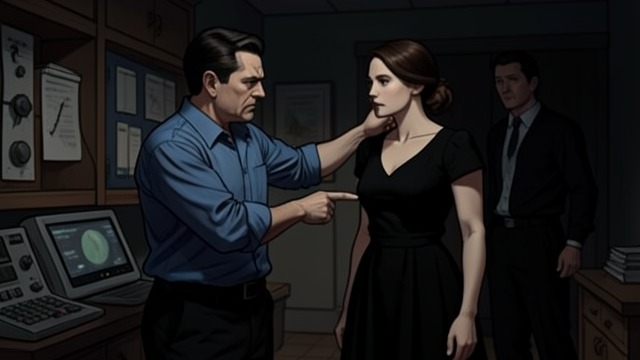
The Father's Question
Seeking a Who
Tom rejects the apparent suicide and names Trader as the likely killer. A person to blame seems easier to endure than a daughter's choice of death.
Why Becomes Necessary
The inquiry begins to serve emotional need as much as law enforcement. Tom's demand anticipates the book's larger question: whether a death can be made to measure up.
Police and Motive

Police and Motive
A Habit of Method
Mike reflects that homicide investigators often prioritize how and who over why. Motive can be vague, private, or impossible to prove.
An Exception for Suicide
With suicide, the living insist on a why. They need a reason that can make the death intelligible, even when the evidence cannot supply one.
A Grieving Partner's Wish
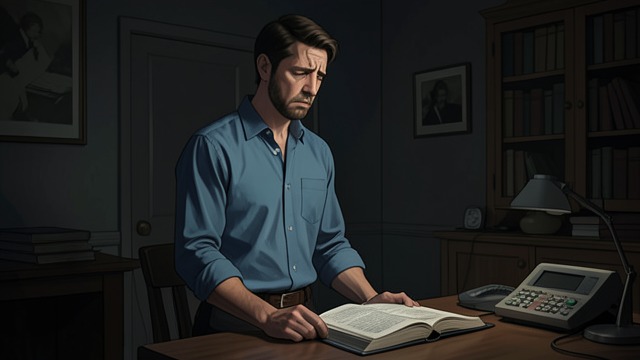
A Grieving Partner's Wish
Innocence Is Not Relief
Trader tells Mike that he wishes he had killed Jennifer because an open-and-shut murder would be easier to face. His statement makes the absence of a motive feel more painful than blame.
Explanation as Punishment
The wish does not mean he is guilty; it expresses how unbearable uncertainty has become. The search for a why can wound even those it is meant to console.
A Book Cannot Explain
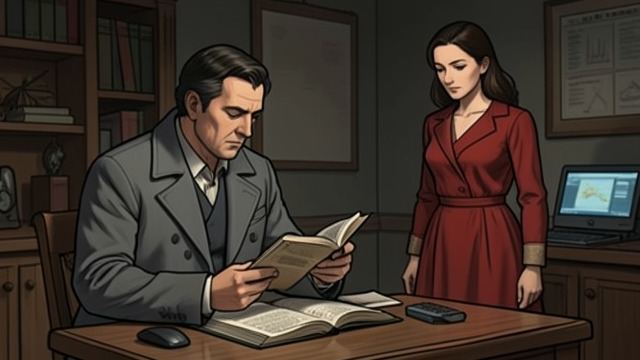
A Book Cannot Explain
The Limits of Advice
Mike reads Jennifer's marked copy of 《Making Sense of Suicide》, a book she finds vague and banal. Its generalizations provide no clear account of a particular death.
Questions Remain
The book's inadequacy does not make Jennifer's marks meaningless. Instead, it directs Mike toward the possibility that the clues matter more than the author's explanations.
The Unanswered Ending
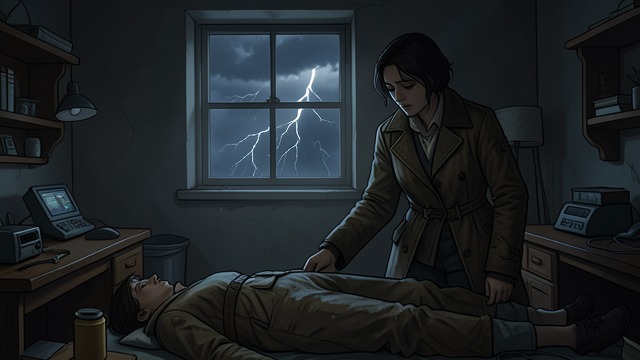
The Unanswered Ending
A Story Offered
Mike tells Tom that Jennifer's death fits a pattern of concealed illness, work trouble, and romantic disturbance. She presents the story as an answer while privately doubting it.
Mystery Preserved
The final account comforts the living but does not resolve what Jennifer intended or experienced. The novel leaves motive as a human demand rather than a forensic possession.
March 6
March 9
March 13
Late March
April 2
